The worlds we would build in.
Not every good novel is a good game. These are the Greenlight books we have chosen for games — 10 of them: worlds with a loop players can repeat, places and people they can step into, and room to grow after launch. Each one says what kind of game it would be, where it would be built first, and why we chose it.
First wave
The worlds we are building in, or would build in, first.
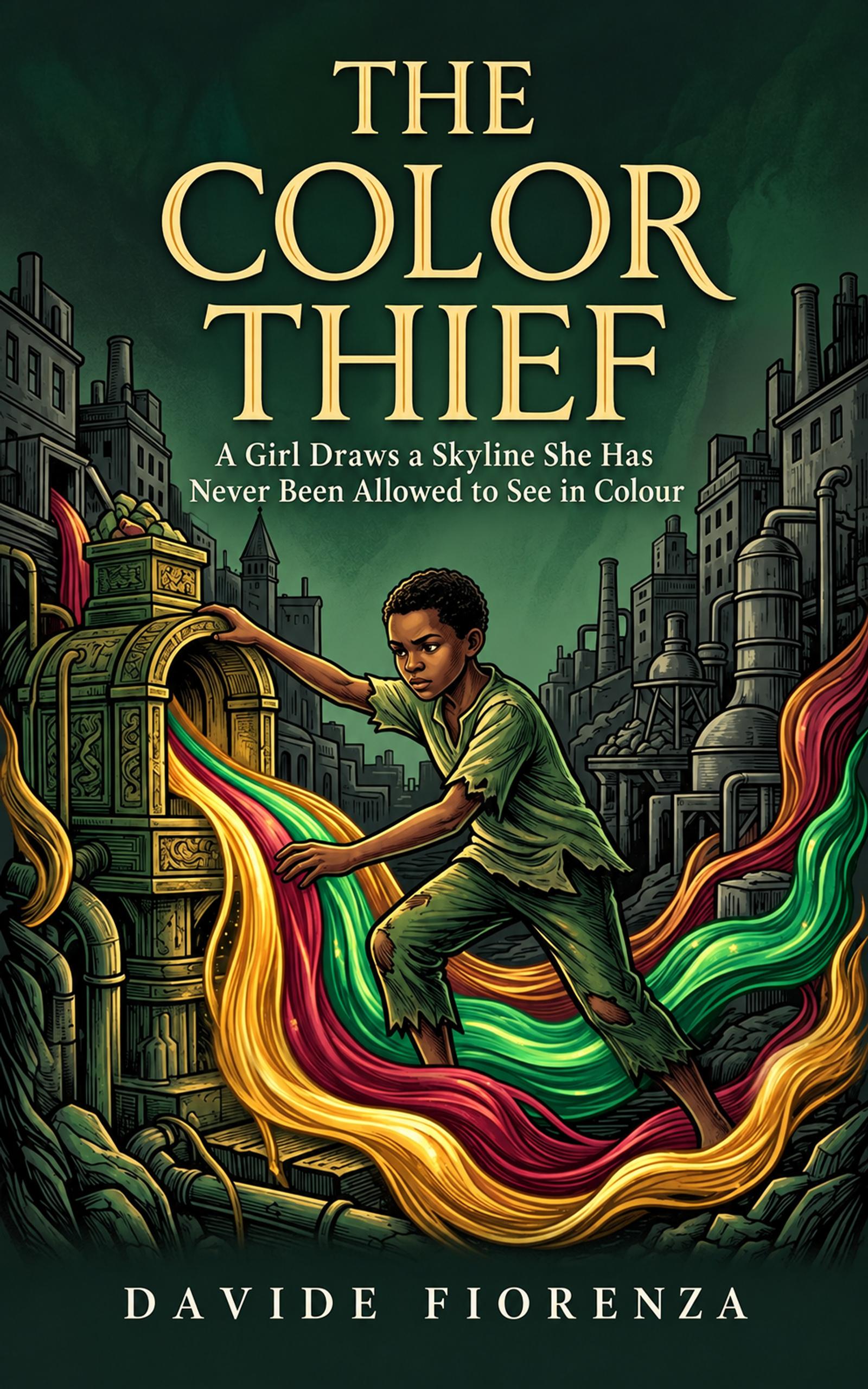
First wave · Stealth color heists, a jar collection and a grey street to repaint
The Color Thief
Davide Fiorenza · Children & YA
You can lift color off anything you touch. Slip past the guards into the bright north of the city, drain a fountain or a rose garden in the seconds between patrols, and carry the color home through a gap in the wall. Paint your grey street back to life before the color fades, and fill enough jars to wake a creature made of living pigment.
Steal-and-collect games with rarity tiers are one of the strongest patterns on the platforms we build for, and this book already works that way. Its color is a physical substance sold in grades that fade in days, weeks or months, which gives players a reason to come back. Its heists run on patrol timers and windows a few seconds long. And when the heroine stores too much stolen color in one place, it comes alive, so the creature players collect grows straight out of the story.
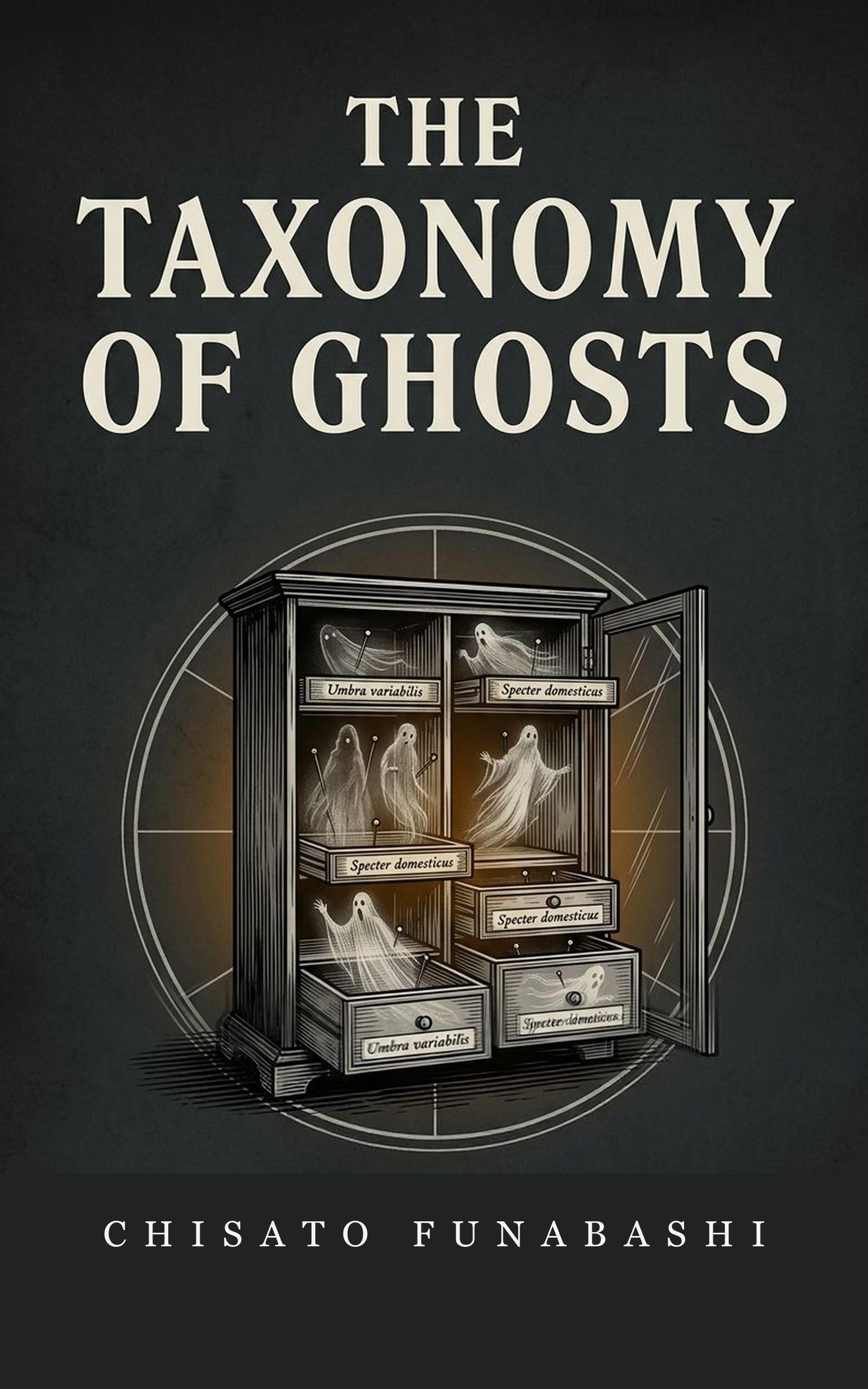
First wave · Co-op ghost investigation and collection in Victorian London
The Taxonomy of Ghosts
Chisato Funabashi · Fantasy & Mythology
Victorian field taxonomists take cases from the morning post: a scullery where unseen dishes are washed at 3 a.m., a drawing room set for a tea no one attends. Measure the cold, name the ghost by sight, sound, touch or scent, lure it with the right note and record it for the museum. Help it finish its task and it goes free. Doubt what you saw and something white and empty starts to grow.
Collecting creatures by rarity and short co-op horror runs are two of the strongest patterns on the platforms we build for. This novel comes with the system: a ghost taxonomy of phyla and classes, 847 catalogued specimens, a museum whose floors are sorted by kind of haunting, and exact lures, from a tuning fork struck at 432 hertz to the chime of china on china. Its villain, a blank white ghost that feeds on disbelief, is a ready season boss, and the night every jar breaks open is a ready event.
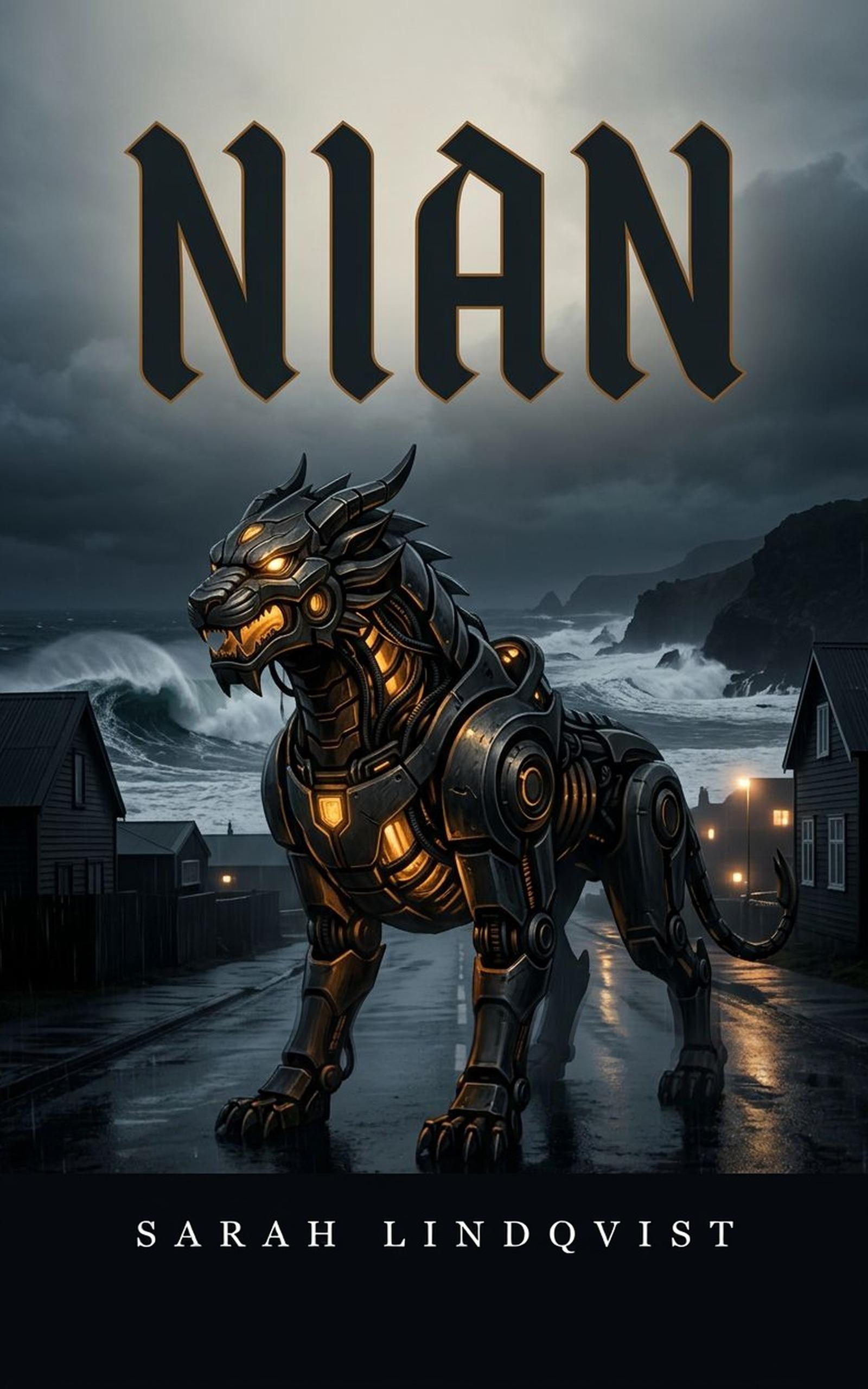
First wave · Co-op night survival: hold the lantern line until dawn
Nian
Sarah Lindqvist · Folk Horror
Four to eight neighbours hold one windy coastal street through the nights of the Lunar New Year. Hang red lanterns an arm's length apart, keep the drums going, light the firecrackers on the hour. If anything stops, the birds go quiet, the sea goes silent and someone walks into the water. Close the gap and bring them back before the second dawn.
Short co-op survival runs against one signature monster are the best fit for an original world on the platforms we build for. This novel already has the rules: red lanterns hung an arm's length apart confuse the creature, the drums must not stop, firecrackers go off at set hours, and one gap in the line lets it in. Anyone taken can still be brought back if the whole street completes the ritual, help from neighbours who have never done it before still counts, and the creature returns every year.
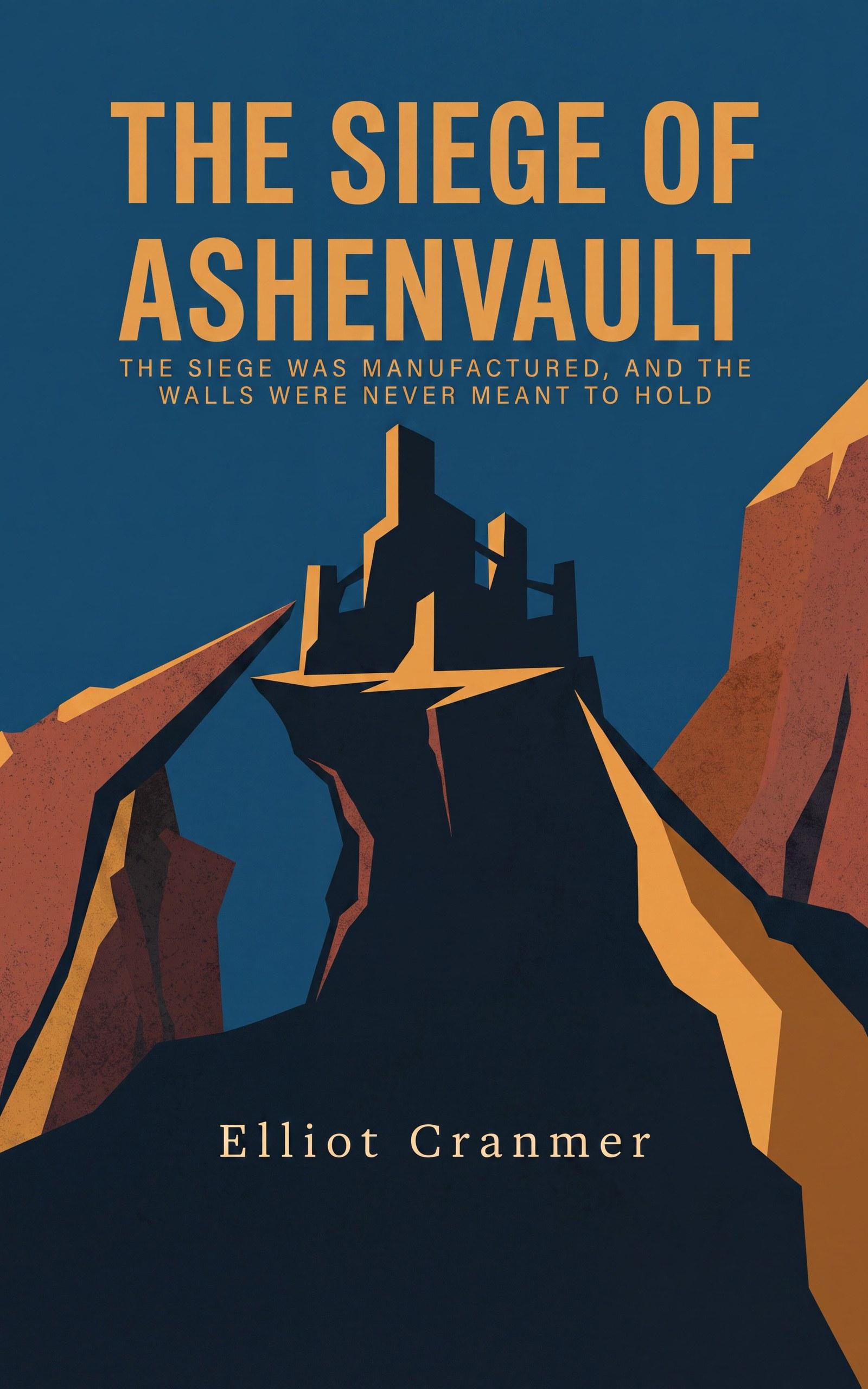
First wave · Co-op wall defense where you build your walls from the monsters
The Siege of Ashenvault
Elliot Cranmer · Fantasy & Mythology
Hold a section of the last citadel's wall against the Hollowborn. Between assaults, gather the chitin they shed and the glowing fluid they leave behind, cure it, and bond it to the stone. Hollowborn cannot sense their own shell, so a well-built wall turns a charge aside. Up to four engineers share the steam valves, the ballistae and the repair work.
Tower defense is one of the formats that win on the platforms we build for, and this book is already laid out like one. It names five enemy castes, from fast wall-climbers to building-sized matriarchs, and a list of defenses: ballistae, steam vents, oil cascades, ward arrays and chitin cladding. Its middle chapters are a crafting loop of harvesting, testing and curing, its hero reads the wall as a stress map, and the siege is manufactured, so each season the signal can rise again.

First wave · Collect robot animals and bring a damaged watershed back to life
The Rewilding
Marcus Chen · Literary Fiction
A crate of tiny solar-powered robot animals arrives at a damaged watershed. Boot them, send them into meadow, river, canopy and tidepool, and link them into a web: every connection heals the land faster. Fix one place too fast and something downstream breaks, so the crew has to watch the whole valley. After sunset, every robot has to make its charge last.
Collecting creatures in rarity tiers, and growing something you come back to, are the patterns behind recent player records on the platforms we build for. This book supplies both, with a twist of its own. Its first crate holds 63 units, its last chapter opens a second crate of rainforest species, and its rarest units are the ones flagged as faulty, because they see connections the others miss. Repairs show on the page: meadows bloom, salmon return, a new species turns up.

First wave · Salvage, build and race a solar-sail ship
Solar Sails
Declan Foley · Children & YA
On a desert world where water is money, strip dead ships for sail panels and parts, trade salvage for water, and build a sail-ship of your own. Then race it past glowing asteroids, a volcanic waystation and the ice rings of the outer planet, reading the light as you go. Worn panels are cheap and light but can burn through, and a solar storm can wreck you or throw you past the fleet.
Companion animals that double as progression win on the platforms we build for, and a race calendar suits the weekly updates that drive breakouts. This book is a working spec: it prices parts in litres of water, gives each salvaged panel its own age and reflectivity, lays out a race from launch gate to ice planet and back, and gives the hero a desert creature whose frills read the solar wind. Its finale rewards a crew that turns back to rescue another.
First wave · Co-op storm defense with origami shape-shifting
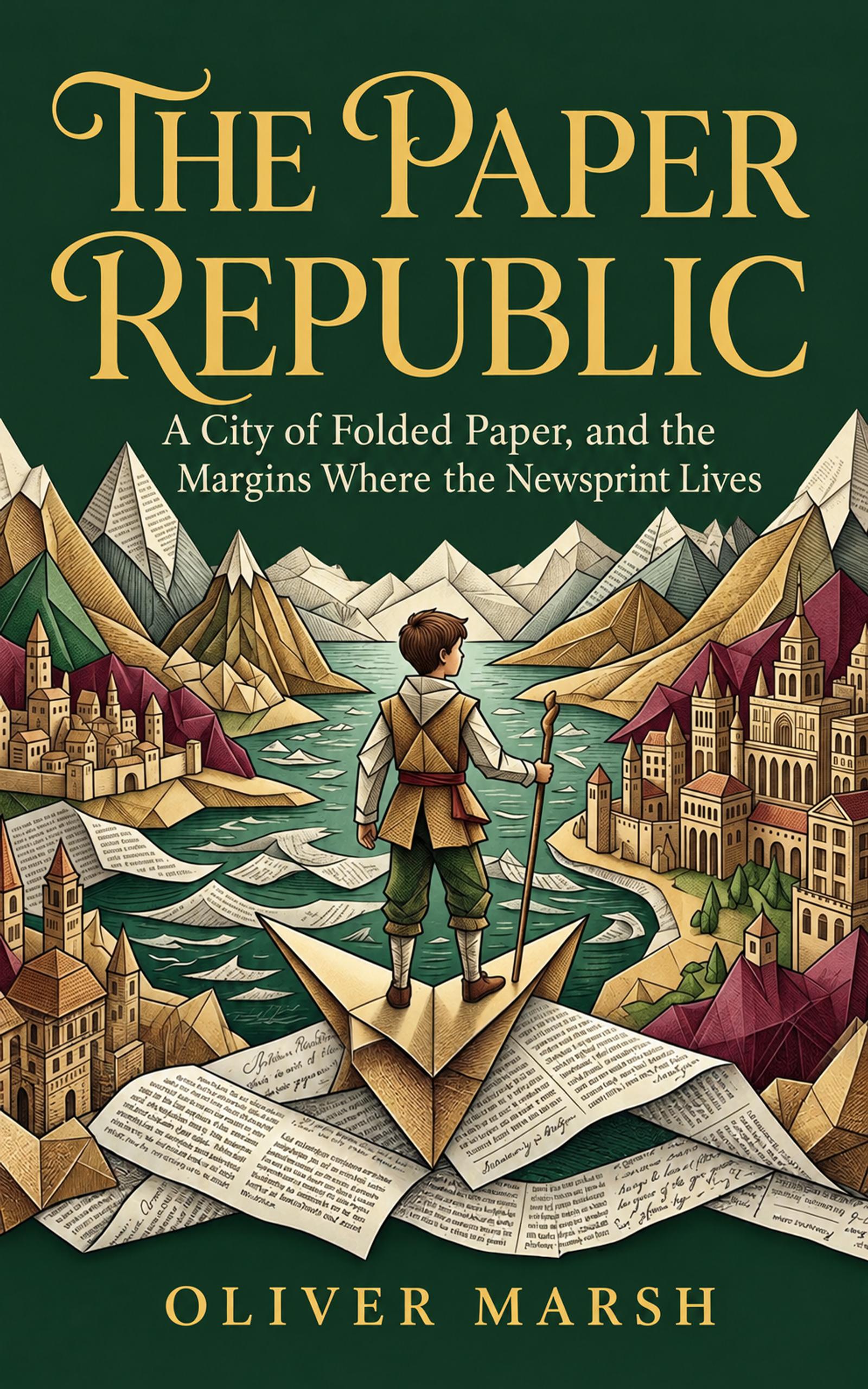
The Paper Republic
Oliver Marsh · Fantasy & Mythology
In a world made of paper, rain is the enemy. Fold yourself into a crane, a frog or a boat to cross the wilds and gather paper, then race home before the storm. When the rain arrives, your team folds gutters and channels across the city to steer the water away from the houses that cannot get wet.
Wave-based defense and co-op survival rounds are proven patterns on the platforms we build for, and this book supplies both the threat and the toolkit. Rain dissolves the paper everything is made of, so every storm is a real test. The hero's folds are a ready set of abilities: a crane to fly, a boat to carry friends, a frog to leap, a paper plane to glide and a channel to redirect water. The book ends with the city rebuilt to carry rain away and a promise that the storms will return.
On the shortlist
Worlds we would like to see as games, and are open to pitches for.
Horror game show and shifting-castle escape for up to 12 players
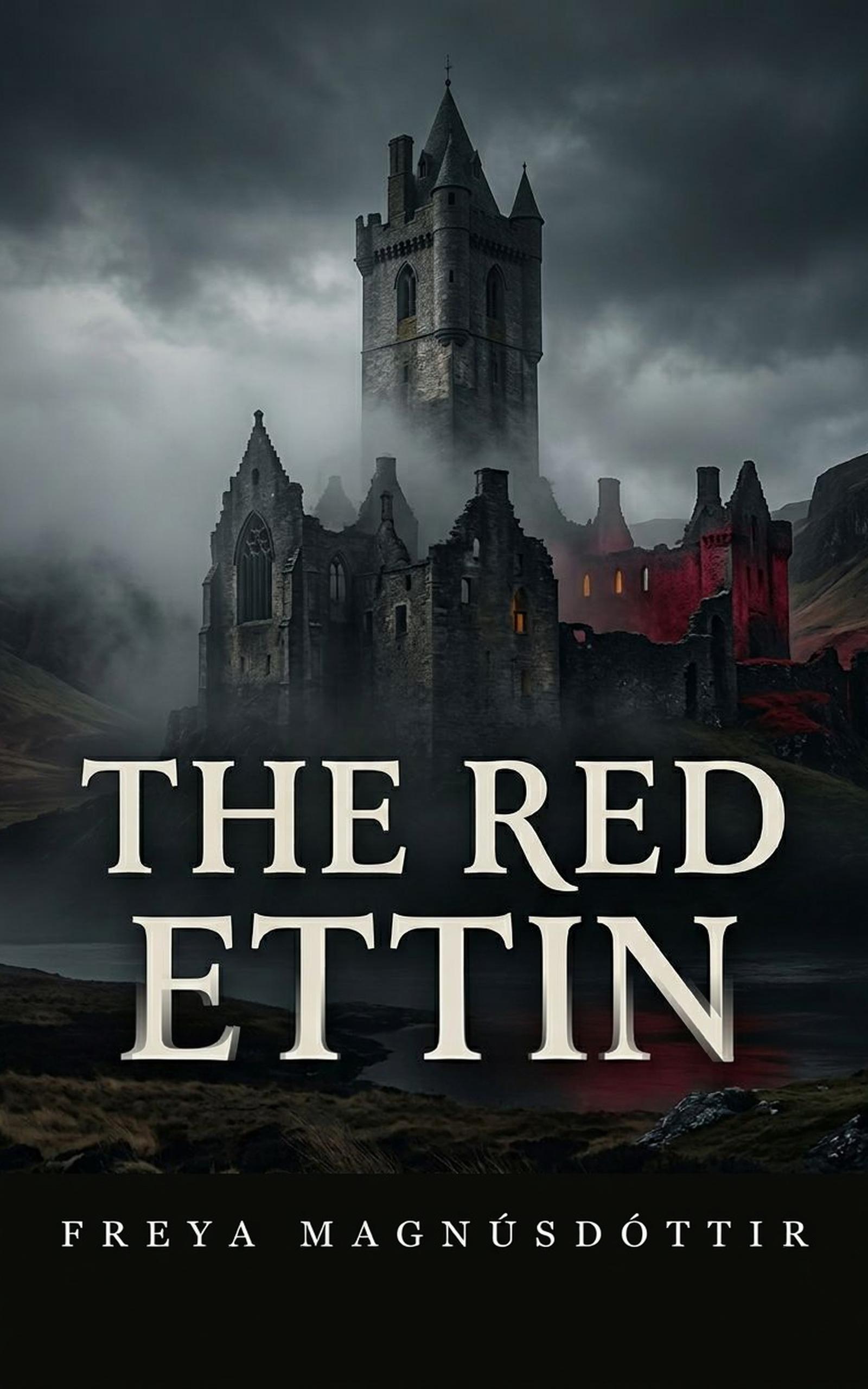
The Red Ettin
Freya Magnúsdóttir · Fantasy & Mythology
Twelve contestants sit in a round red room in a Highland castle. The host's chair turns and stops at you. Answer wrong and the game takes something you didn't bet: your map, your sprint, the names above your friends' heads. Lose everything and you turn to stone. Between rounds the castle rearranges itself. The way out is to stop playing, with help from a dog, a fox and an oatcake.
Recent horror hits on the platforms we build for share a signature monster, short co-op runs and scares worth clipping. This novel turns an old Scottish fairy tale into rules a game can use: every answer feeds the host, a wrong answer costs a different memory than the one asked about, players who lose everything become statues their friends can restore with crumbs of a mother's oatcake, and the castle's corridors change between rounds. Its boss is a charming host who becomes three hungry mouths.
Co-op extraction horror in a sealed diamond mine
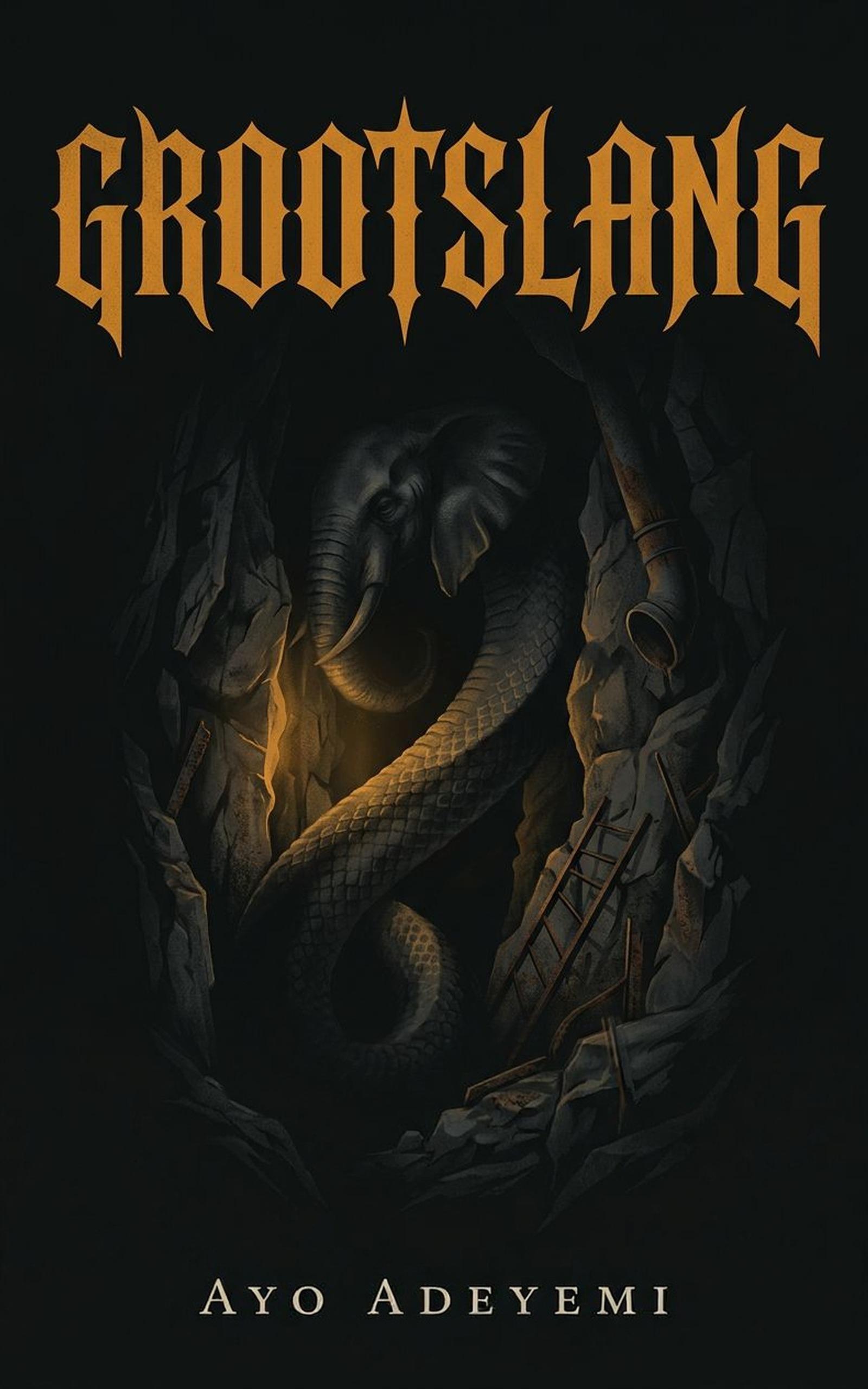
Grootslang
Ayo Adeyemi · Literary Fiction
A survey crew rides the cage down to a sealed section of an old diamond mine. Below the 300-metre line the cave walls are studded with diamonds, and something thirty metres long is listening. Take a stone and it wakes. Run and it finds you. Carry enough back above the line before the cave goes dark, or put a stone back and hope it settles.
Low-priced co-op games for groups of friends are the biggest sellers among new indie releases, and short co-op horror runs suit original worlds on the platforms we build for. The novel writes the rules: the creature cannot climb above 300 metres, taking a stone wakes it and returning one calms it, it hunts by sound so running is the worst thing you can do, and the light in its scales shifts as it moves from resting to hunting. The rules are learned one at a time, at a cost.
Insect-hotel management: restore six floors and fill the guest book
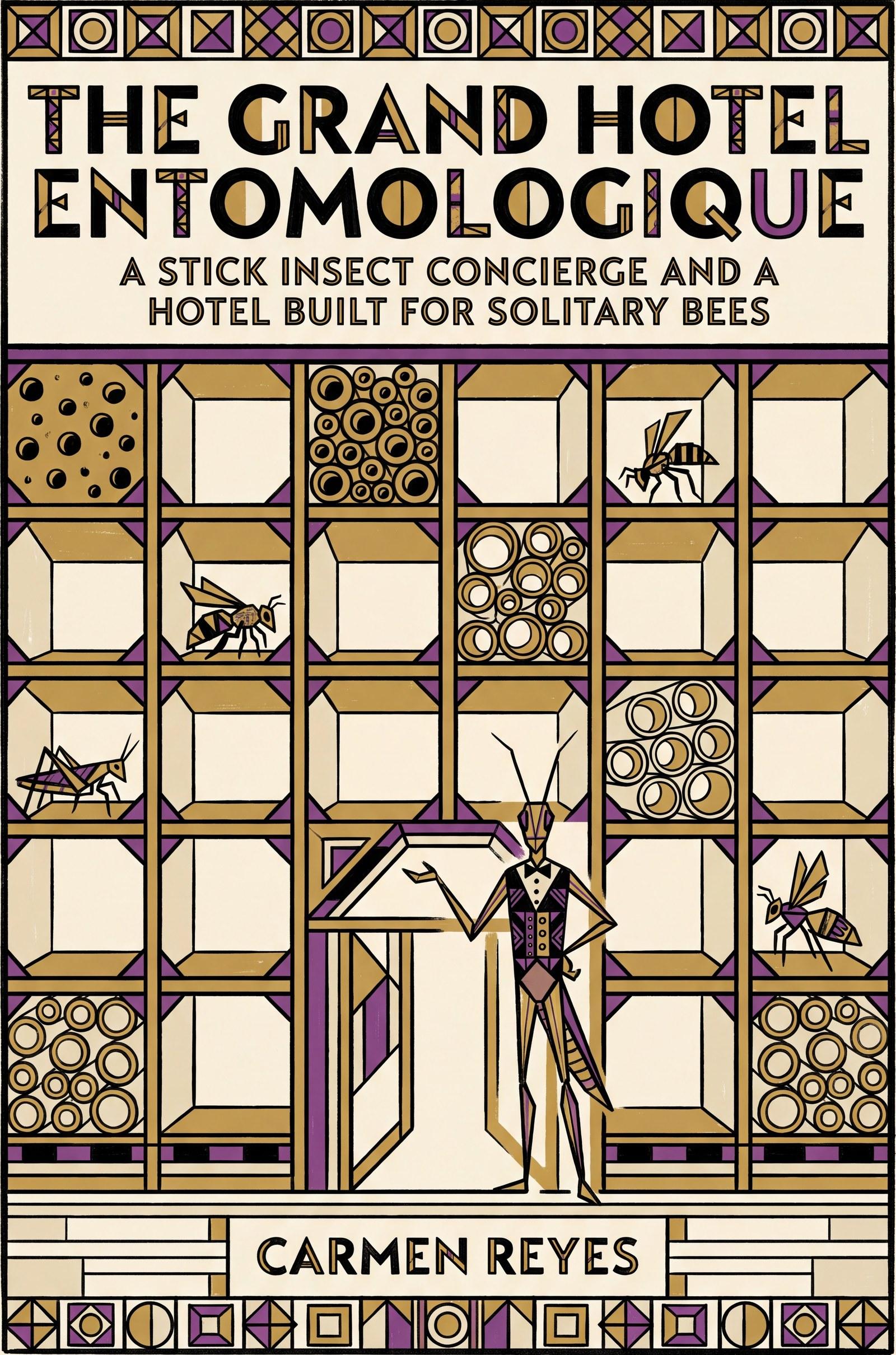
The Grand Hotel Entomologique
Carmen Reyes · Children & YA
An old wooden insect hotel in a botanical garden has thirty days before it is torn down. Restore its six floors room by room, plant the flowers that bring solitary bees, ladybugs and lacewings back, run the dung-beetle chef's kitchen and the beetle jazz lounge, and pass the bumblebee inspector's visits to win the hotel the right to stay.
Building up and running a business is a proven pattern on the platforms we build for, and this book is already a management story. The hotel has six floors and 247 rooms, and once housed 42 species but is down to seven residents. A concierge inspects every room each morning, a critic rates the restaurant and an inspector arrives with a clipboard. The guests are real garden insects, and the book ends by inviting readers to build an insect hotel of their own.
Have another Greenlight book in mind? Send a pitch, choose “Not decided yet” for the world and tell us which book.
A world listed here is an invitation to pitch, not a statement that its game rights are available. Rights are agreed per title; see rights at Greenlight Publishing.