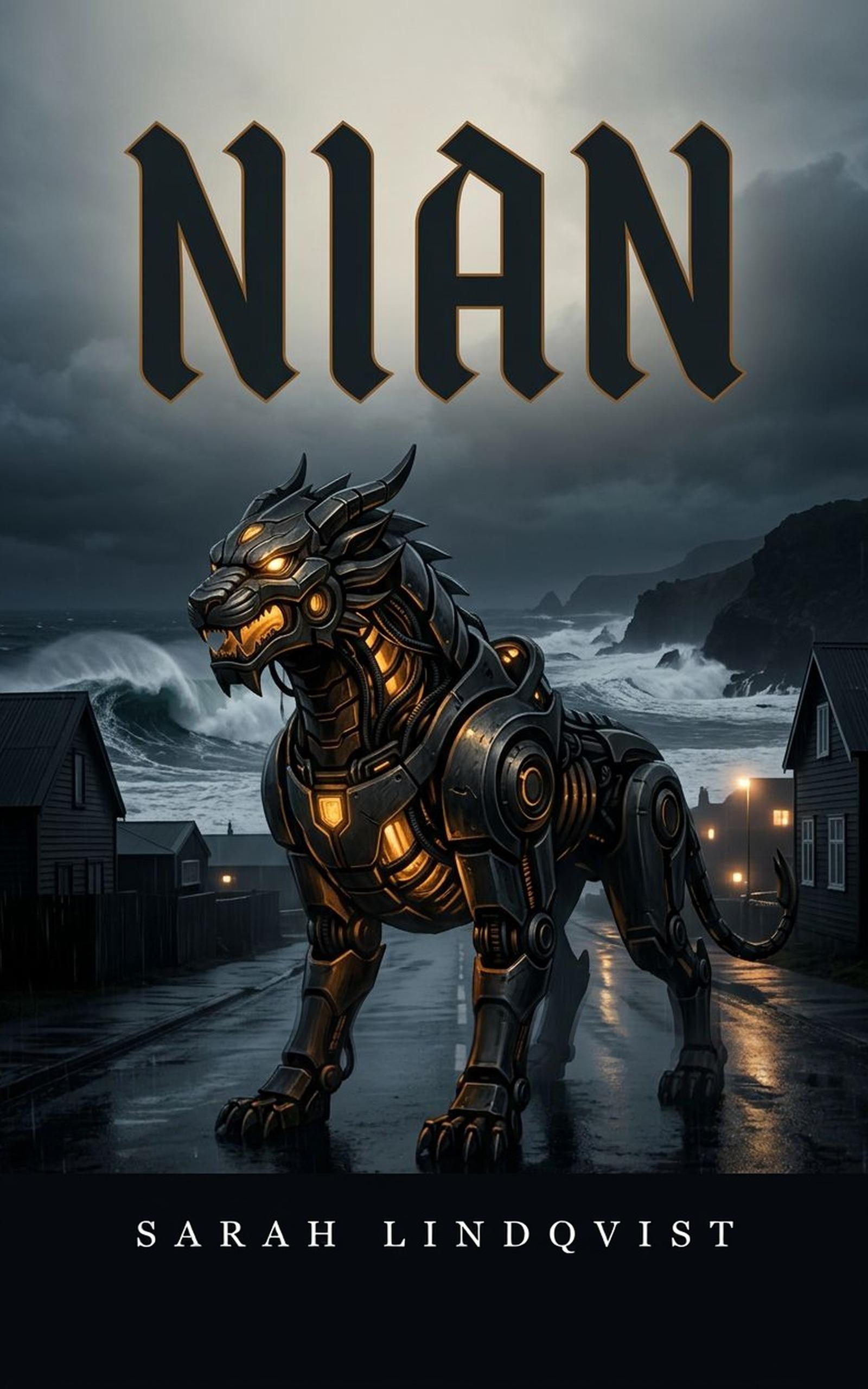
Nian
From the novel by Sarah Lindqvist
The game we see here
Four to eight neighbours hold one windy coastal street through the nights of the Lunar New Year. Hang red lanterns an arm's length apart, keep the drums going, light the firecrackers on the hour. If anything stops, the birds go quiet, the sea goes silent and someone walks into the water. Close the gap and bring them back before the second dawn.
Why this world
Short co-op survival runs against one signature monster are the best fit for an original world on the platforms we build for. This novel already has the rules: red lanterns hung an arm's length apart confuse the creature, the drums must not stop, firecrackers go off at set hours, and one gap in the line lets it in. Anyone taken can still be brought back if the whole street completes the ritual, help from neighbours who have never done it before still counts, and the creature returns every year.
The book · Folk Horror
On the Kāpiti Coast, the wind never stops and the horizon is never closed. Every January, Lucy Chen's small New Zealand street fills with red lanterns, the thunder of firecrackers, the long discipline of the drums. For sixteen years she has watched her family hang the lanterns with the same solemn precision, and for sixteen years she has called it tradition.
When a new neighbour complains, Lucy takes her family's lanterns down. It is a small thing — a kindness, a courtesy, the easy modern gesture of a girl who has begun to find her grandmother's customs embarrassing. Within hours, the ocean five kilometres offshore begins to behave in ways the local fishermen cannot account for. The bioluminescence flickers and goes out in patterns. The fish leave a stretch of water. Popo will not look away from the sea.
What Lucy has been taught to call celebration, she discovers, was built eight hundred years ago for a reason, and the reason has never stopped being true. The lanterns are the colour they are because of what the colour does. The drums are the frequency they are because of what the frequency stops.
By the second night, Lucy stands in her own street with a match in her hand, and the question is no longer whether she believes. The question is whether the appeasement, restarted late, will hold.
Games set in this world
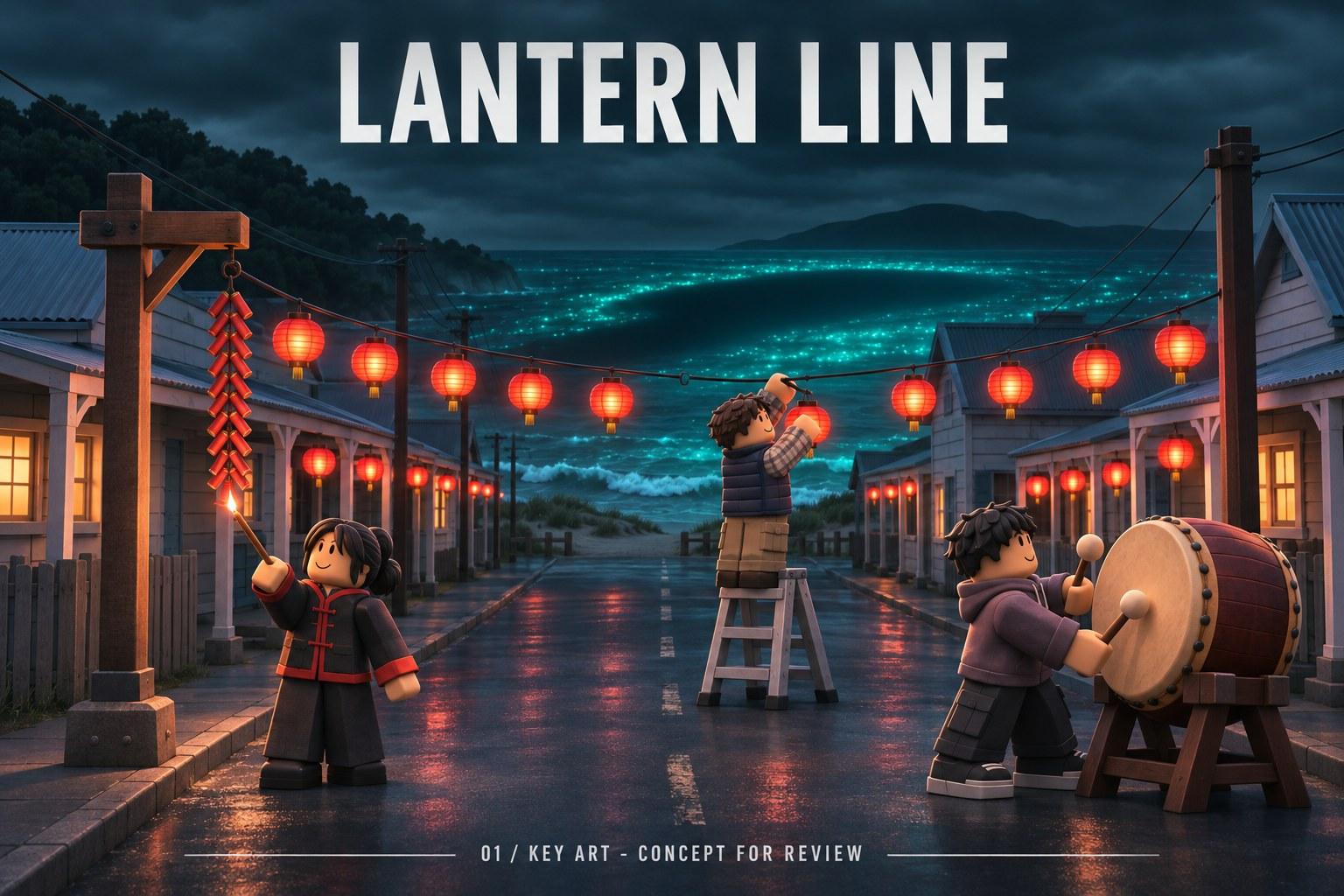
Game adaptation is considered per title when the world-building can support it. Pitching is the first step; it is not a licence. See rights at Greenlight Publishing.